
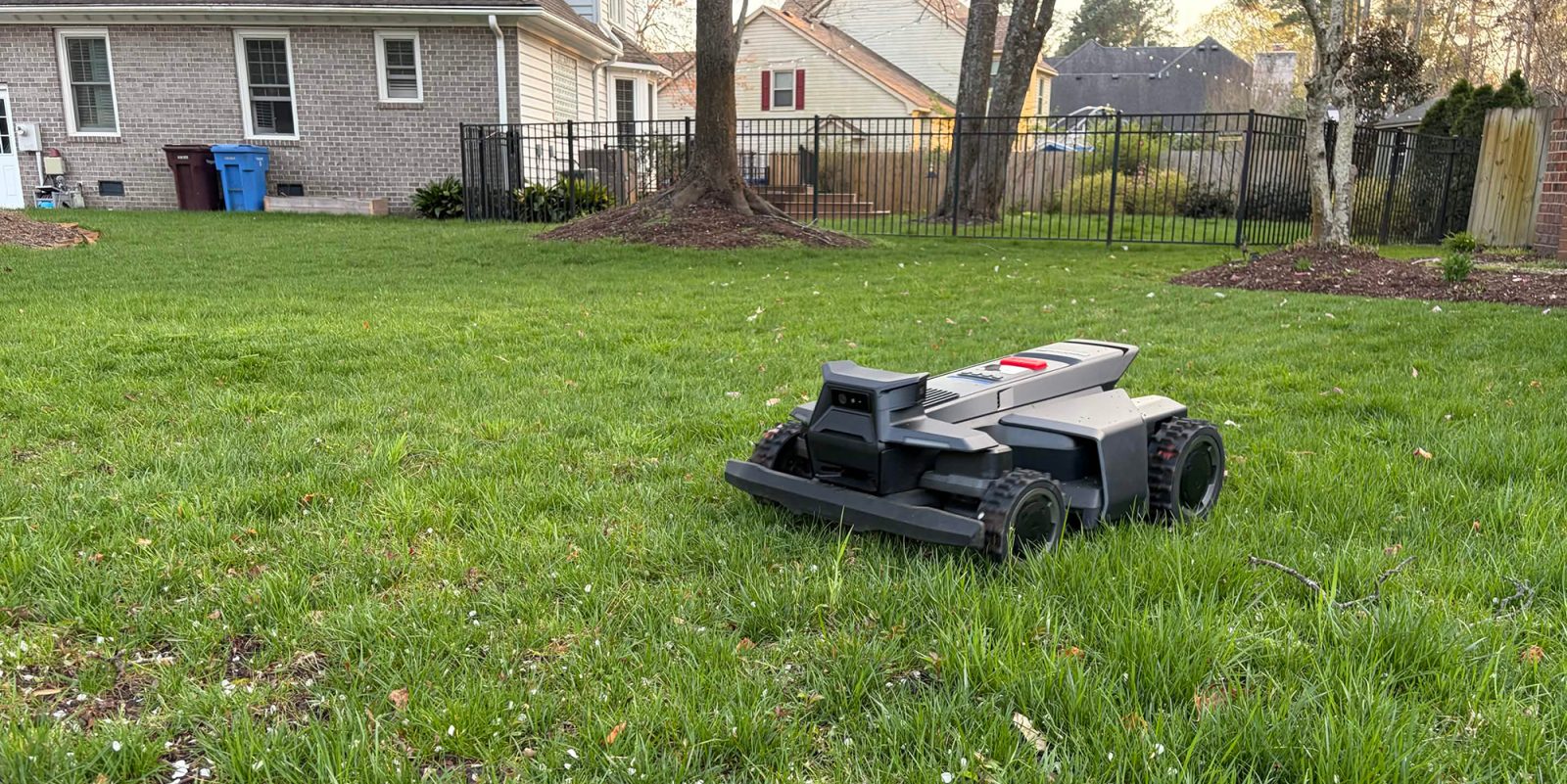
As the years go on, robots are getting more and more advanced and picking up various tasks across home cleaning, pet care, and lawn mowing, though it is fair to say that there is still room for plenty of growth. While we haven’t quite reached the pinnacle as represented in sci-fi media, we’re certainly getting there rather fast, and Segway’s Navimow X4 series robot lawn mowers are taking the lead as the current leader in the robot mowing race. With my parents in their retirement ages (despite not being able to retire yet), and my mother dealing with spinal disabilities over the last few years, in particular, what better time to test out a premium means to keep both medical accidents from occurring and the HOA off their backs?
Segway’s Navimow X430 is a more intelligent AWD robot mower
Segway’s newest Navimow X4 series (currently comprised of the X430 and X450 models) is the newest flagship option among its growing robot lawn mower fleet, with more affordable predecessors (the “i” and “H” series) that offer less of a financial hit, but are not nearly as advanced. This new series, first unveiled at CES 2026, is particularly unmatched when it comes to complicated, large, and even hilly terrain, not to mention its refined AWD “xero-turn” mobility that beats out competitors that more often perform tank-like turns (one wheel locks while the other spins) that can lead to tearing sections out of your lawn.
The X4 series robots, on the other hand, bring much more true zero turning capabilities (named “xero-turn” tech by Segway) to their design, with articulate wheels that both steer independently, letting it turn on a dime to handle complex terrain without severely shredding your grass up. Of course, you should always take into account that things aren’t perfect, and if you let it run while your grass and soil are still freshly soaked, you’ll definitely be taking a risk – no matter the robot (more on this later).
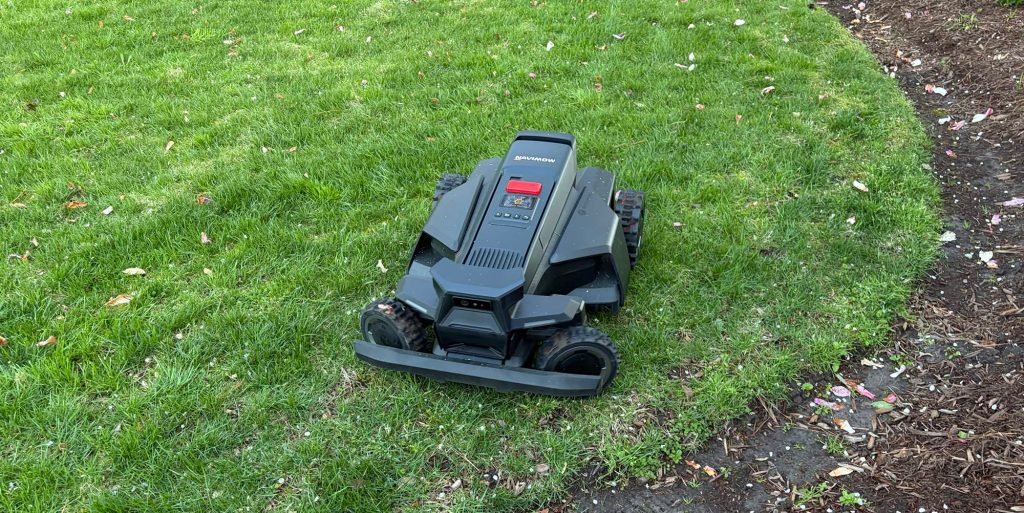
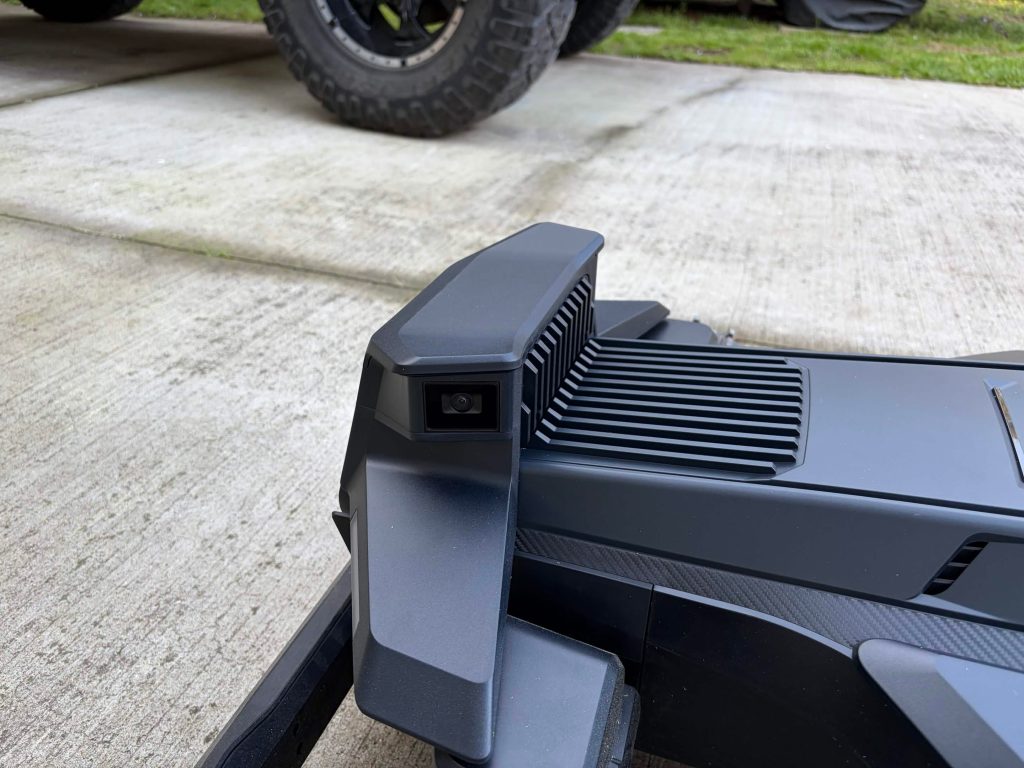
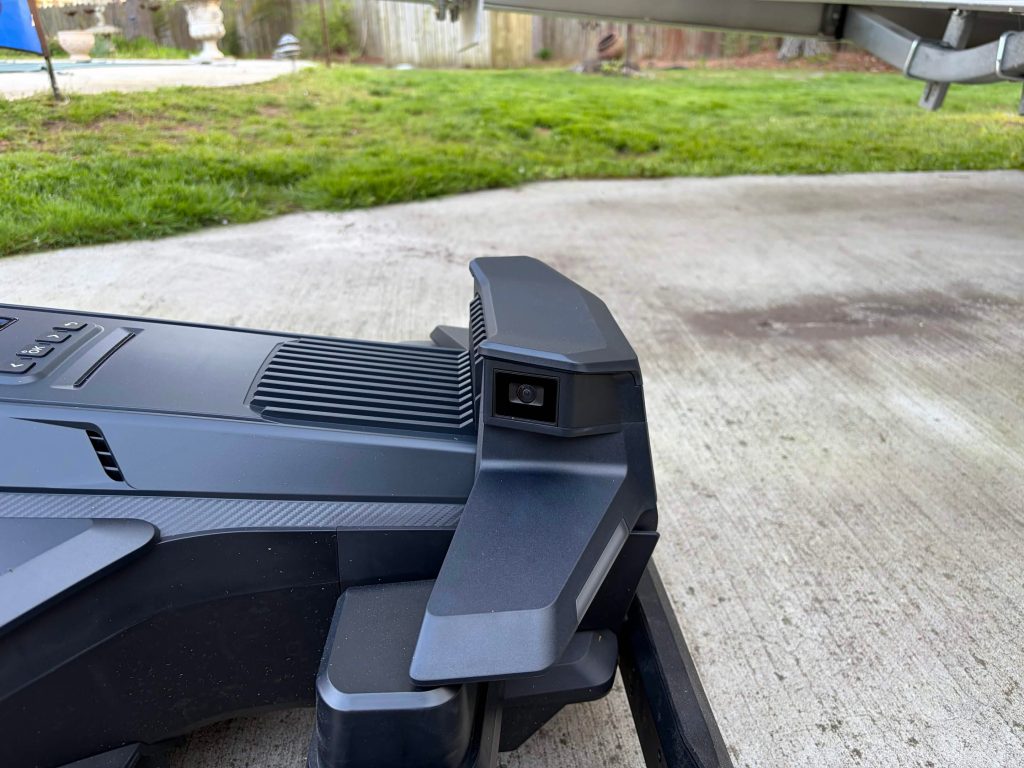
Another corner that Segway has invested a lot of time and development into is the X4’s navigation and obstacle avoidance, with a hybrid Vision-Enhanced EFLS 2.0 tech pairing nicely with RTK satellite positioning, complete with onboard AI-supported cameras.
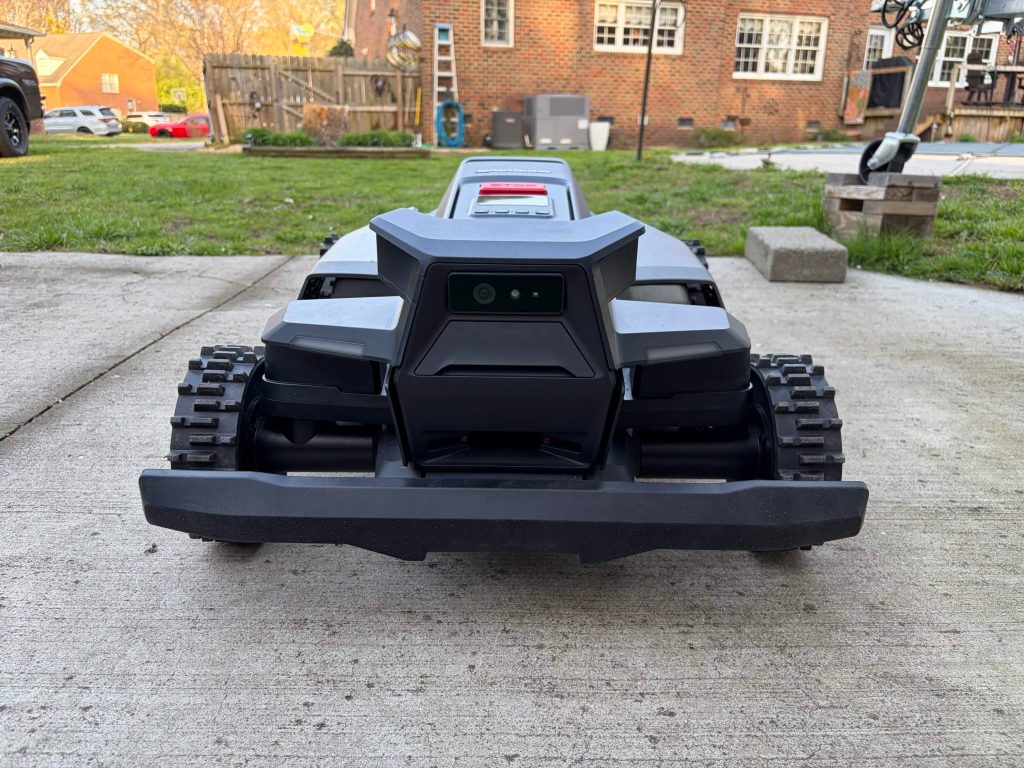
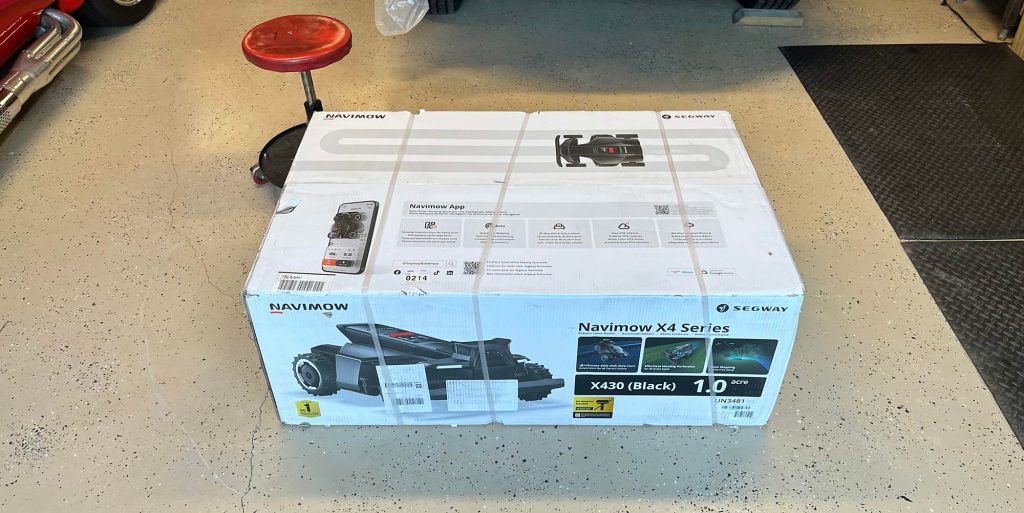
One thing that is immediately noticeable upon having the box delivered is its much more massive size, which lends to its much larger-than-average cutting width. Whereas the majority of consumer-focused robot mowers tend to sit around eight or nine-inch cutting widths, the X4 series brings along a doubled 17-inch cutting width, letting it cover far more ground with each pass, simultaneously delivering far less movement across your lawn while conserving the battery and prolonging its overall lifespan.
Another major feature here is its slope-climbing ability, with the X4 robots able to tackle up to 40-degree slopes, which is quite steep, seeing as most gas mowers (and their human users) can often struggle with 20 to 30-degree slopes. Thanks to Segway throwing a high-torque hub motor onto each wheel while aggressively upgrading the tires’ treads, these robots achieve even greater climbing capabilities.
Features at a glance:
- Mowing Area per charge: the X430 robot covers up to 1 acre of land on each full charge (up to 180 minutes), while the X450 robot covers up to 1.5 acres on each charge (up to 240 minutes).
- Battery capacity: The X430 comes equipped with a 10.2Ah battery (charges in up to 90 minutes); the X450 robot comes with a 12.8Ah battery (charges in up to 100 minutes).
- Navigation: RTK satellite positioning + 360-degree camera vision + VIO (Visual Inertial Odometry)
- Obstacle avoidance: AI Vision (200+ object types + animal-friendly)
- Drive system: AWD (all-wheel drive)
- Max Slope: 40 degrees (84%)
- Cutting height range: 1.2 inches to 4.0 inches
- Cutting width: 17 inches
- Boundary type: Virtual (no wires needed)
- Connectivity options: 4G, Wi-Fi, Bluetooth
- Waterproof rating: IPX6 (water-resistant, washable by hose)
Now, learning of all these premium technical upgrades (as well as others I’ll get into below) on the new Segway Navimow X4 series robots, it should come as no surprise that they carry along premium price tags. That may be a major turn-off for consumers, especially budget shoppers, but these should be more seen as major lawn investments over some short-term novelty to add to your home – and I’ll state it now, if you’re able to afford either model, you’re definitely getting every bang for your buck here.
The Segway Navimow X430 Robotic Lawn Mower that is ideal for 1-acre yards starts at $2,499 shipped directly from the brand’s website, as well as through its official Amazon storefront.
The Segway Navimow X450 Robotic Lawn Mower that is ideal for 1.5-acre yards starts at $2,999 shipped directly from the brand’s website, as well as through its official Amazon storefront.
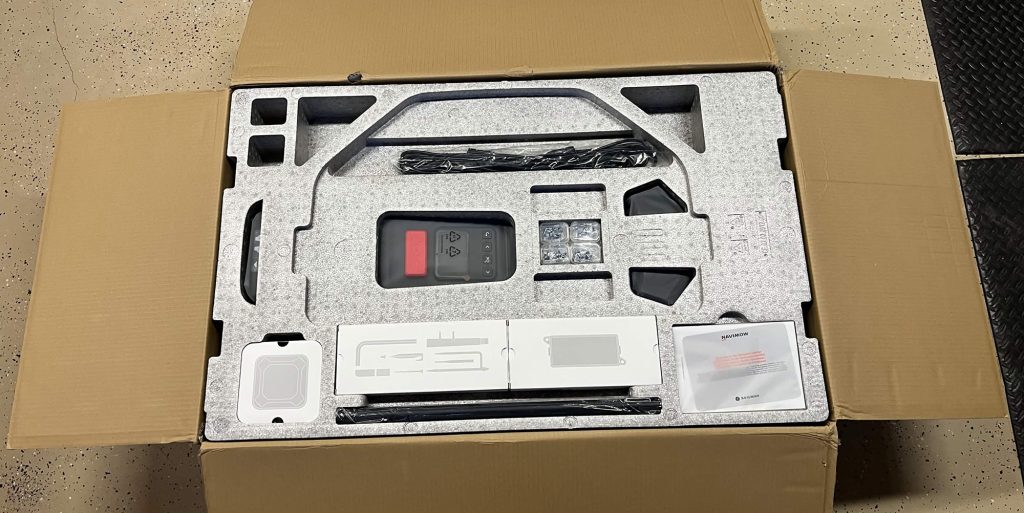
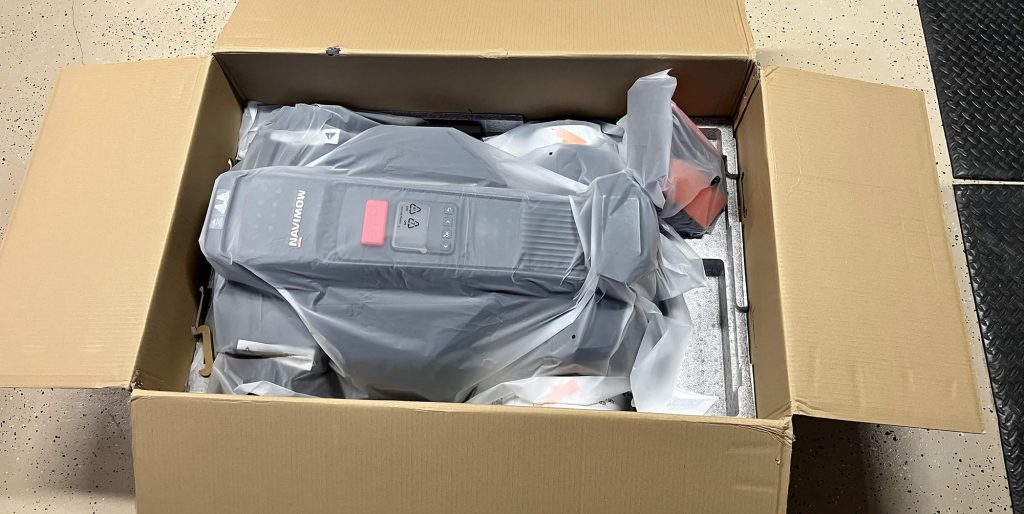
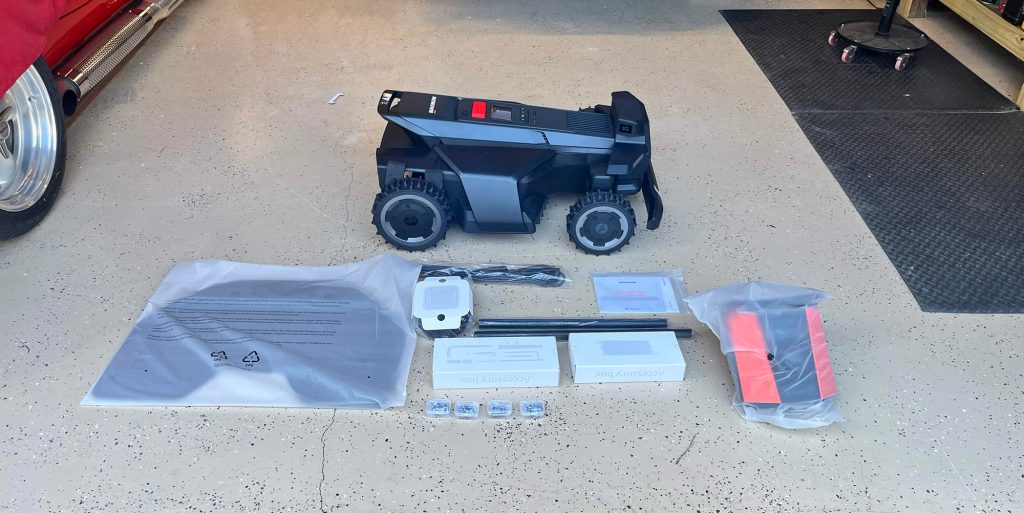
Getting started with the Navimow X430 robotic mower:
As I previously stated, the box that the Segway Navimow X430 robot comes in is very big and many people might struggle trying to move it after it is delivered. While my mother wanted to attempt to move it to the backyard garage with the two of us, despite her spinal issues (if you know how stubborn old Sicilian women are, then you understand my struggles), I instead had to use a yard cart to move it to protect her health (and also myself from getting hurt).
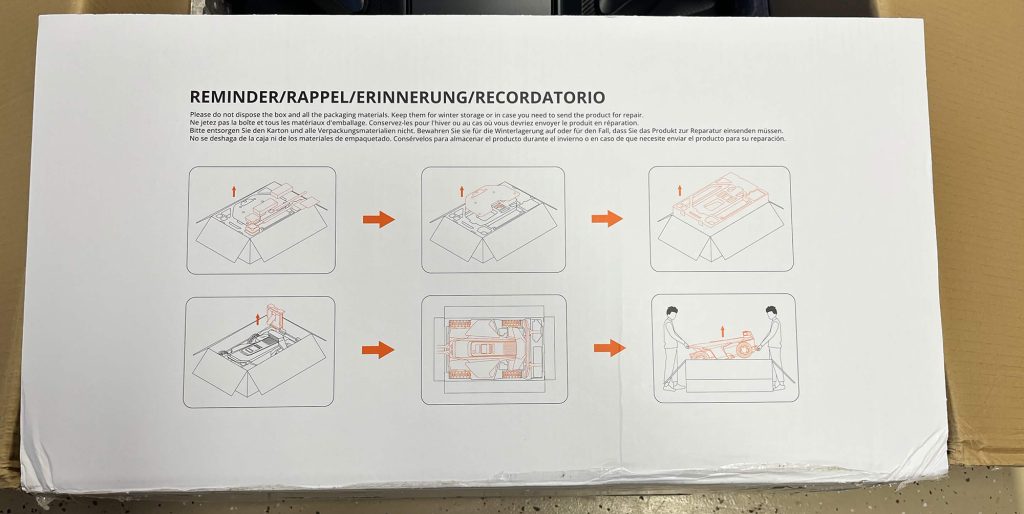
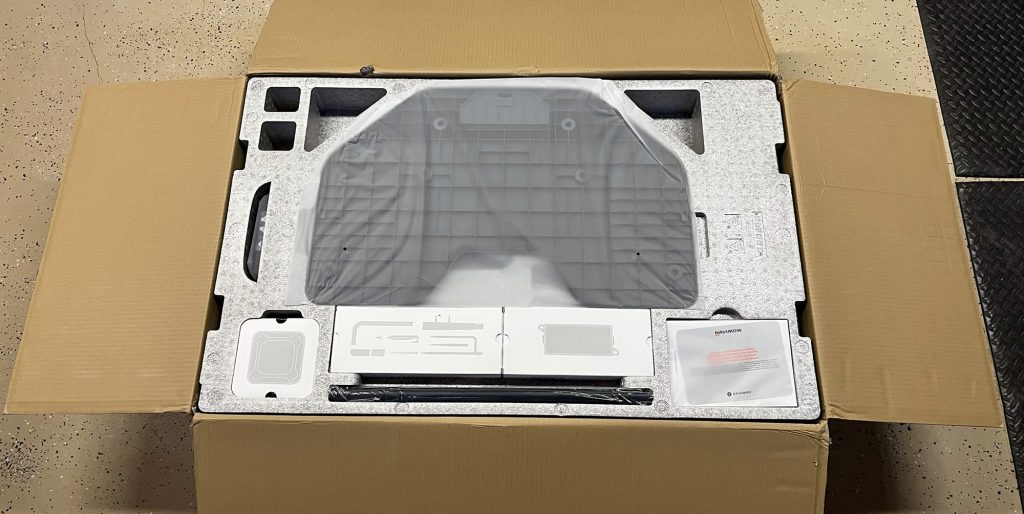
You can rest assured that it comes well-packed and protected, but unless you’re going to cut away the box section by section to free the robot, you’re likely going to need another person to help lift it out of the box, which is also what the unboxing instructions recommend. After all is done, you’re left with the robot, two parts that make up the charging station/dock, the power cord, several boxes of various screws, and the components for the optional RTK antennae.
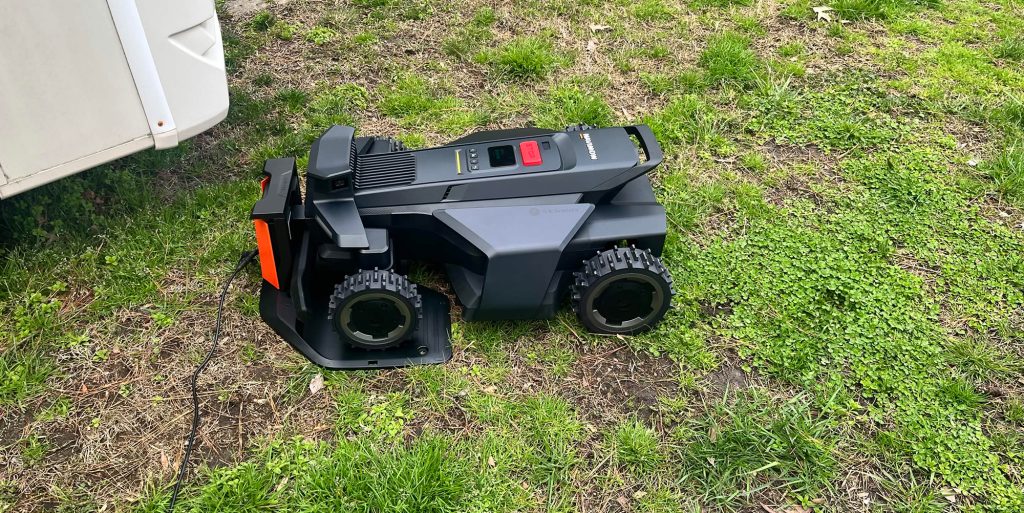
Like most smart home technology for inside or outside duties, there is a QR code (as well as a physical startup guidebook) that links you to the app and walks you through the process, which is incredibly straightforward. You’ll need to find the appropriate place to put the station, as explained in the startup tutorial, which does specify that it shouldn’t be up against the wall of your home, under any personally-made shelters (as it dampens signals if not made from the right materials), or under any trees.
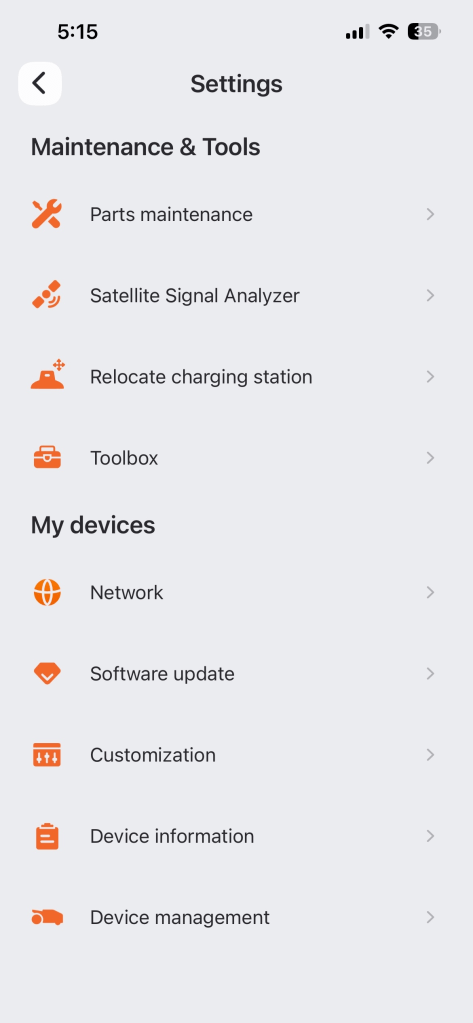
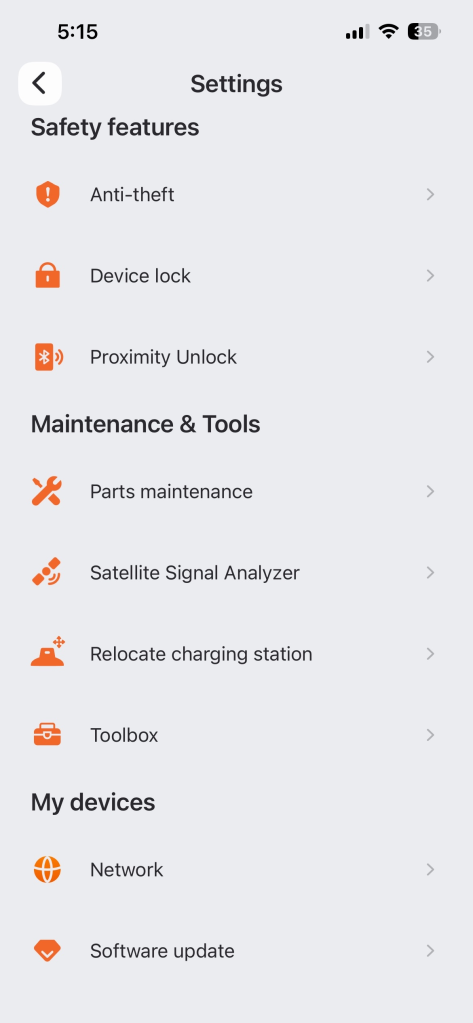
Don’t worry if your Wi-Fi doesn’t reach the station due to the larger yard space, as the box contains an optional antenna that you can install for signal connections. Luckily, I found a sweet spot where that antenna was not needed – plus, there are settings in the app after you’ve set up the robot and even mapped your yard that allow you to move the location. And best of all – NO LAYING HUNDREDS TO THOUSANDS OF FEET OF BOUNDARY WIRES!
After everything has been set up and confirmed by the system, you’ll have two options to map out your yard before the robot can start mowing: either auto-mapping, which is ideal for folks with clearly defined and flat yards, or manual mapping for complex, complicated, unclear, or uneven yards. Unfortunately, with the house being near the Great Dismal Swamp, terrain is very loosey-goosey, with plenty of uneven levels, random flower beds, stepping stones, and other man-made sections in the yard that complicate things for the robot’s automatic system.
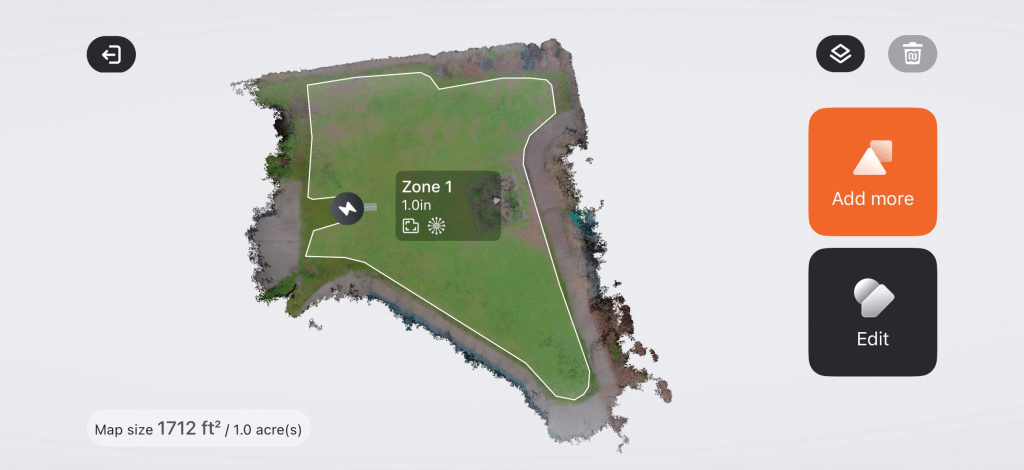
So how does the manual mapping work? Well, using my smartphone as a remote control, I stood right behind the robot and literally steered it around the perimeter of the area in which I was planning to test it out, which constitutes around 1/3 to 2/3 of the backyard, with the other section being on the opposite side of the pool. Using its RTK positioning in combination with the cameras, the system then maps out the space as it goes and creates a real-time virtual map in the app. Don’t worry if you have to break your yard down into varying sections, as the robot can remember them all – plus, if there are sections between walkways or non-grass surfaces, you can set zones in the app so the robot knows it can cross those areas to get to the other sections.
If you aren’t regularly using your smartphone to drive things (as most of us aren’t), don’t be surprised that there might be a bit of a learning curve to get used to the controls. I ended up cancelling the first mapping halfway through and took it back to my original starting point to do it over. But after playing with it a little (you can also remote control it at first before starting the mapping to get the hang of things), I quickly became more and more confident that I could easily re-map or map new sections of the yard, which is what happened when I eventually moved it out to the front yard later on.
One quick warning: be very careful just how close you drive it to certain things when mapping the perimeter, especially if that border you’re making is up against fences, or in my case, a portion of sloped land in a specific corner where the concrete around the pool starts to rise above the grass as the land lowers to a flatter section. I naively thought I could map the perimeter right at the meeting point between concrete and grass, whereby the robot later found itself stuck against the concrete, as it prevented the wheels from properly turning to make the sharp turn it needed to stay the course. I recommend leaving a little space in sections like this, or against fences, for example, where you can always go in right behind the robot and do a quick cutting with a string trimmer.
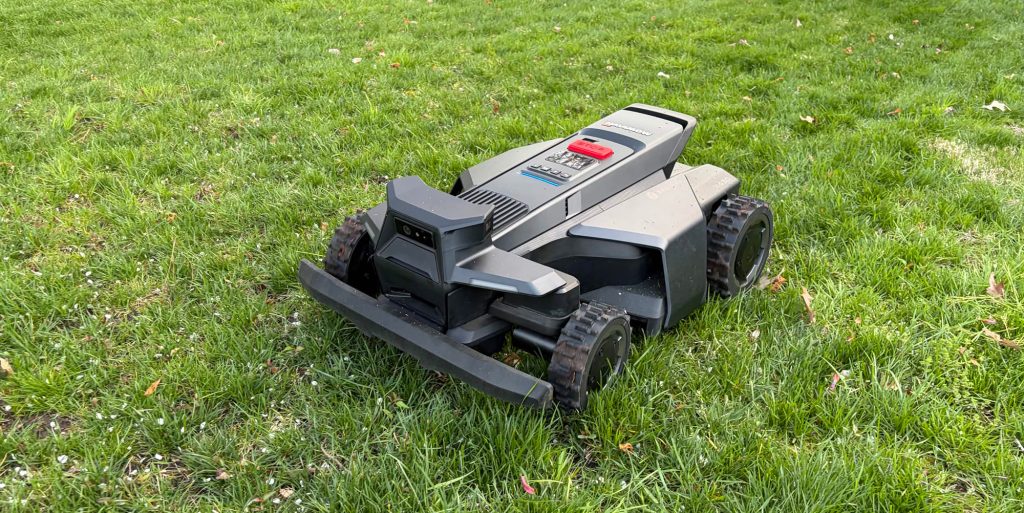
My Segway Navimow X430 cutting experience
With everything set up and ready to go, it was time to send the Segway Navimow X430 robot on its maiden voyage, which did take a couple rounds due to the terrain of the designated area. Not only was it still a little on the soft side after rain a few days earlier, but my parents’ yards are covered in a much more fragile grass that itself is growing on swamp land. Despite this though, we finally got it calibrated to the appropriate settings and its been performing well after the learning curve.
To start, I set it to its maximum 4-inch cutting height, which didn’t seem to do all that much, likely due to me testing this in the most difficult of the lawn’s terrain. Adjusting things down by 1/4-inch increments, I started to actually notice the taller-than-normal grass finally getting handled around the 3-inch mark, though some areas were still going untouched despite reaching well above 5 or 6 inches. It was when the settings were dropped further into the 2 to 2.75-inch range that things really started coming out level and even.
On flatter areas, the higher height levels were much more consistent, but when it came to patchy spots or parts of the lawn with hillier terrain, the number had to be adjusted to lower levels to properly mow everything into a uniform manner. You’ll definitely want to play around with these levels if your lawn isn’t nice and flat, and don’t be worried if it takes a few rounds before you start to see progress. Every lawn is different, and once we found the sweet spot, things haven’t been an issue, but the level its now set at is under the normal height that the lawn was previously kept with a manual mower.
On the note of patchy lawns, especially when coming out of winter hibernation (which also takes longer for the type of grass found here), be very mindful of the weather. If you suspect your lawn may be wet still from rain, you will run the risk of the wheels digging up some of the grass (though again, we’re in a swamp here, so the ground isn’t as solid as other locations around the country).
Another thing to keep in mind here is that this robot does not bag clippings, so the best course of action would be to have it mow on a regular schedule, so the clippings are small and can act as a natural mulch to put nutrients back into the soil. If you use the robot to mow grass that you’ve let go for quite a while, don’t be surprised that you’ll have tons of clippings everywhere when all is mowed.
As I mentioned during the remote mapping process, there was a specific edge of concrete that raises above the lawn as the terrain lowers into a more flattened part of open grass (which is also banked by a concrete sidewalk away from the pool area and to the gate). While the robot handled the level concrete-to-grass area leading to this particular spot, once the ground dropped low enough, the concrete created a large enough wall for the robot’s wheel to get lodged against, defeating its ability to turn and causing the robot to stop mowing for its own safety.
It’s best if you take these kinds of areas around your lawn into consideration when mapping things out, and then just come in behind the robot with a string trimmer to tackle things. I also recommend this same planning along fences, too, but aside from those, the robot’s ability to acknowledge edges is quite good and drastically reduces how much actual string trimming you’ll need to do. This was especially apparent in the front yard along the curb before it dropped off into the street. I’ve seen some of the previous-gen Worx Landroid and Husqvarna robots that neighbors have had fall off the curbs, but never once did the X430 have a close call; it was always immediately aware and turned itself to run along this edge.
One funny little realization that I’m embarrassed to admit to, but does speak volumes about the robot’s obstacle avoidance capabilities, is that I noticed the robot (during multiple rounds in both the back and front lawns) constantly left sections of grass completely untouched. I was obviously trying to get photos and videos of it as it was first going, and eventually realized that the robot was identifying me as an obstacle, thereby avoiding those spots altogether. Once I sent it on another round of mowing, without standing anywhere in the designated zone, the robot happily followed a pattern-focused route that not only covered the missed spots before, but also left much more aesthetically pleasing lines.
The pairing of the 150-degree wide-angle fish-eye camera and its AI processing really upgrades the obstacle avoidance capabilities over less advanced models, with it able to recognize the three dogs (two Weimaraners and a Yorkie), their various toys we left scattered as a test, and larger objects like lawn chairs, flower pots, hoses, and the like. The robot will avoid the areas where any of these things are left, and if removed, will go back to counting the area as needing mowing upon a second round being initiated, so you do have to be a little aware of what it scattered around your yard.
One thing you will want to pick up: dog poop. The robot failed to notice it and ran right over the one test pile I left, though it could very well have been due to the height of the grass covering it from the cameras. Luckily, the robot comes with an IPX6 construction, making it hose-washable, so cleanup never needs to be as hands-on as using my hands to really scrub it away, unless you let it sit too long, and a higher pressure setting on the hose fails.
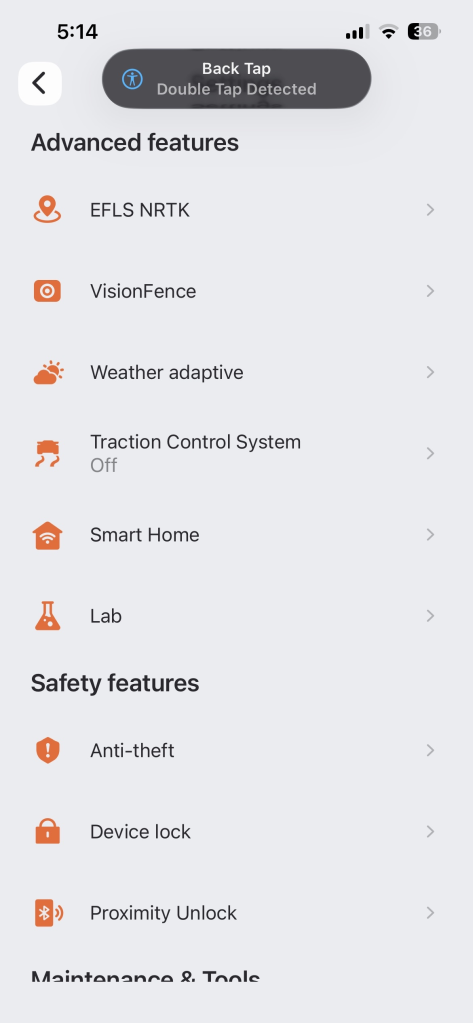
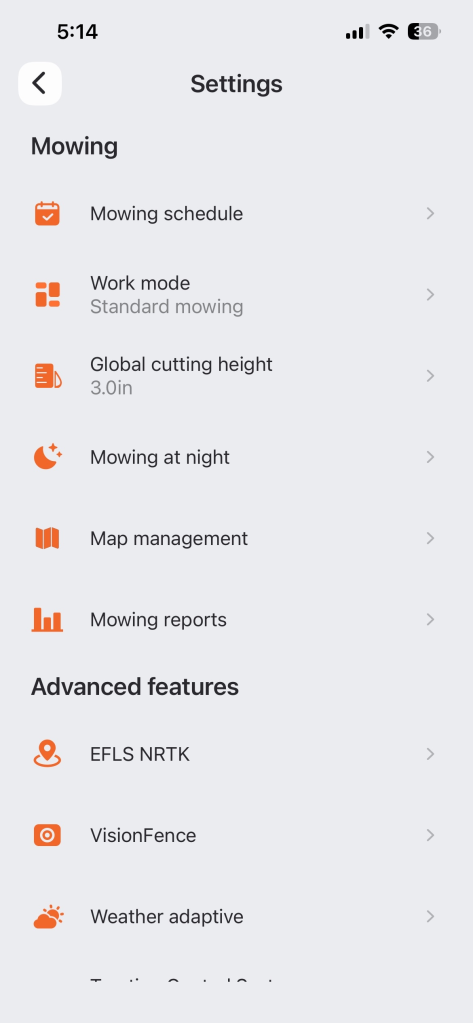
The app’s smart control settings (which are also accessible via the onboard 3.5-inch color LCD screen) are very simple and user-friendly, just like you’ll experience during the initial setup process. After the maps of your yard are complete during setup, which come out like a satellite image you’d see in a car GPS or Google Maps, you’ll also be able to alter them, add no-go zones, and more. Like everything with this robot, you just need to take some time and play with things to get the hang of how it all operates. In little time, you’ll have a strong understanding, with the brand also providing plenty of customer service assistance, too.
Final thoughts on Segway’s Navimow X430
Like I originally said at the start of this review, the Segway Navimow X4 series isn’t hitting the fantasized sci-fi level of automation, but for what you’re paying, you’re getting one of the most advanced bangs for every buck. That price point is definitely one of the cons, however, so you’ll want to really consider whether you want to invest in your lawn with such a device. The brand does have more budget-friendly options that can get the job done (especially if you live in a smaller home, like a townhouse, with very little lawn space), but if you have an acre or more of land to handle, this robot will give you back significant time as it handles the essential mowing while you tackle other various chores around your home.
As I’ve already stated plenty of pros throughout the review, I do want to just toss in a few more cons that you should be aware of. First, coinciding with the cost, you will need to keep in mind that the battery will eventually degrade, which is estimated to be around three to five years, depending on how hard you’re running it. These batteries are serviceable, however, replacing the battery will definitely be another cost way down the road.
Secondly, this is a heavy robot, and while the remote driving can be great when you’re actually using it, during colder months, when you’ll want to put it back into its box for storage, you might not be able to handle moving the box on your own, especially if you’re at an older age or have physical ailments impeding you, like my parents.
Lastly, while the robot does have headlights and a night mowing setting, I really wouldn’t recommend using it once the sun goes down, as the vision-based system is going to be greatly reduced for both mowing and obstacle avoidance. You still won’t have to worry about its positioning, though, as the RTK system still performs well.
The Segway Navimow X4 Series Robotic Lawn Mowers aren’t going to completely solve your mowing duties so you never have to think about things again, but they will reduce the amount of time you spend on it, especially considering it can cover the mowing while you tackle string trimming and other needs simultaneously. It’s been a great help for both my parents, as my dad can work anywhere from five to seven days out of the week, and my mom won’t be straining her spine to pick up the slack when my dad can’t cover things. If you have the money to invest, these robots are definitely worth trying out, as I haven’t seen any run as well consistently as I have here.


FTC: We use income earning auto affiliate links. More.




Comments